selective mourning
permission to grieve for whom in life and in passing...
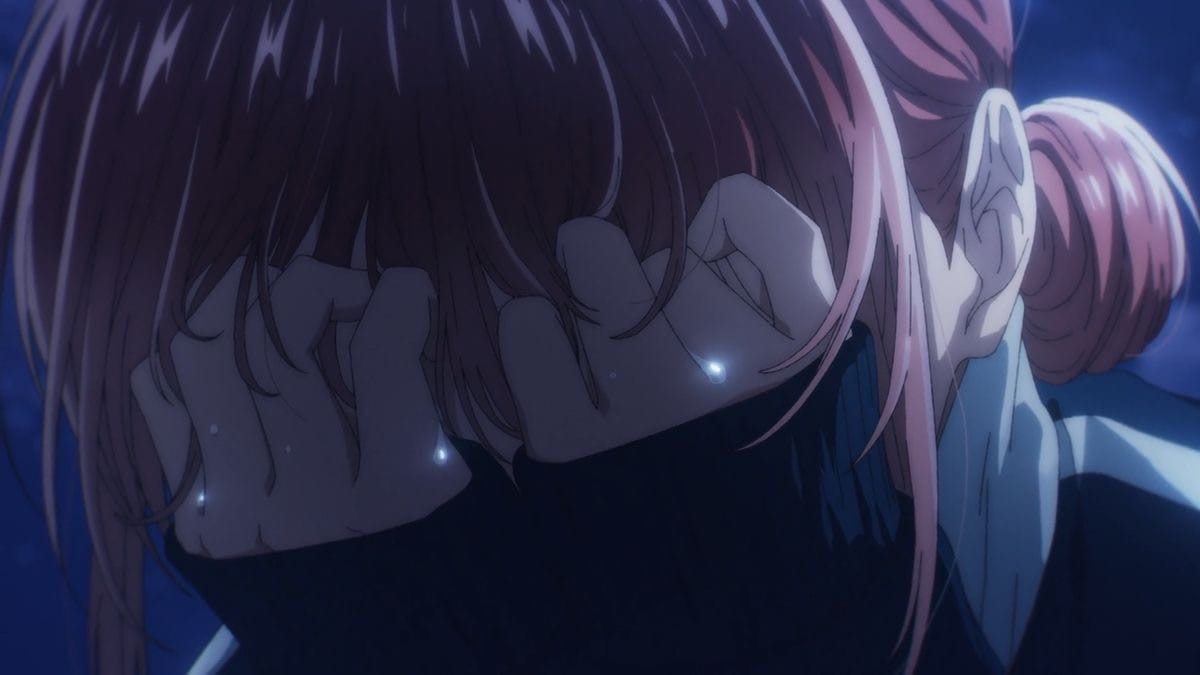
Bearing witness to people who are most impacted by violent systems is one of the ways I’ve seen and experienced possibilities of moving through grief: not by releasing “what no longer serves us” but by releasing all the things we are forced to repress when grieving is not allowed.

The state does its damnedest to control who, what, where, and how long we can mourn, grieve, and feel.
for the soft and cuddly... is a reader-supported publication. To receive new posts and support my work, consider becoming a free or paid subscriber.
The inception of COVID showed me what it means to be in a chokehold by the state when your loved ones are taken before their time. Systemically, it looks like rushing everyone back to the office, to put on a palatable face, grin, and bear the pain rumbling inside. Interpersonally, it is rushing through discomfort or dismissing it entirely. Rather than witnessing one’s own sadness, anger, rage, or pain, it is lashed out, repressed, or, as I often hear, the heaviness sits on a person’s chest, wishing they could cry.
So when the state says, this group, these types of identities deserve harm and deserve to be annihilated, it facilitates the experience of grieving, if there is any, on who is allowed to be mourned, remembered, and honored. Those who are deemed disposable are blamed for their demise, made the butt of jokes, and experience cruelty in death.
There are many think pieces on death, the political landscape, and subtle and also not-so-subtle messaging on who is deserving of the larger discourse of death.
It’s not surprising to me that those who resonate (usually racially) with someone who’s died, find interesting ways to sympathise with the deceased as a living sentient being that they usually wouldn’t for those they do not resonate with racially, ethnically, and culturally. What’s truly perverse in all this is the insidious nature of whiteness and how it preserves itself in our societal systems and in our interpersonal relationships, and honestly, the relationship with ourselves.
Early Covid research showed that those of the global majority were impacted by infections—policy and culturally, it became “let it rip!” Who got early access to critical information about COVID being airborne back in 2020? Hello, CDC and WHO. Who got early access to vaccines, PPE, technology that accurately tests for COVID infections, early treatment, and technology to clean the air—who was often turned away from hospitals, told they had pneumonia, only to die alone in the hospital from COVID?
Those who are under bombardment of weapons of mass destruction and occupying forces facing terror and death moment to moment—how many think pieces tried to parse the humanity of Palestinians, Iraqis, Yemenis, Afghans, Haitians—those under threat of the West and their imperialist allies, where think pieces literally said “some children deserve to die.”
We see it in people’s silence, their selective outrage, their mental gymnastics denying the living essence of a people, their land, their animals, ecosystems, water, and sky. The intentional lack of visibility/western media coverage of the ongoing genocides in DRC and Sudan; the deliberate ignorance of how the current conditions of the DRC go back to the cruelty of King Leopold’s cruelty and exploits, the lack of historical knowledge among Americans about how our systems are, in fact, at the expense of the global south.
Violence takes on many forms, and the push for passivity is the same tool for manufactured consent—if we knew truly, what COVID is doing to our bodies, mind, and internal ecosystem, if we truly knew how our world in the empire literally costs limbs, lives and blood, destroying the very planet that homes us all, if we truly knew the violence of it—grieving wouldn’t be something we would try to repress or do when we *think* we are allowed to: rather, grief would be the fire, the catalyst for imagination and action—where death is not violent and justified, where those gone too soon experience their last moments of suffering while those who’ve killed millions *Kissinger vibes* die in the comfort of their own home at damn near 100.
Who is allowed to live, to die, to be missed, mourned, and remembered?
The state may try, but we can bear witness to each other in our grief—we can collectively mourn those we love, those connected to us, the loss of life, while contextualizing and consistently questioning/fighting back against the waves of complacency and obedience: we must.
for the soft and cuddly... is a reader-supported publication. To receive new posts and support my work, consider becoming a free or paid subscriber.